
Traceability is built at every handover.
Reliable origin requires more than a QR code. It requires reconciled identities, services, measurements, custody, quality, stock, delivery, invoice and payment evidence.
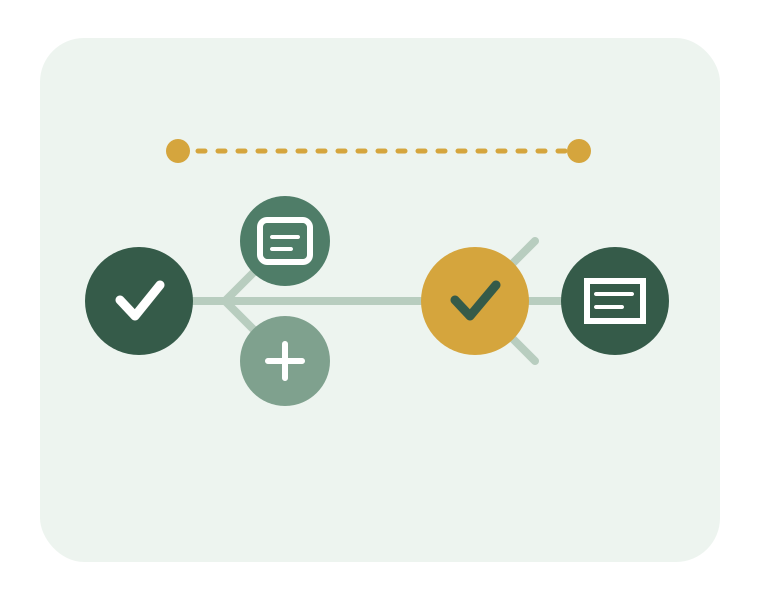
From farmer profile to verified payment.
Each layer answers a different question. Together they create a credible custody and transaction record while preserving proportionate access and farmer data rights.
Farmer, household and plot
Unique profile, consent, lawful data, land-use understanding, crop plan, season and risk screening.
Service and production
Training, visits, inputs, advisories, observations, practice records, crop stage and corrective actions.
Receiving and lot identity
Approved site, calibrated weight, grade, price, deductions, lot ID, custody and exception records.
Stock and processing
Opening stock, transfers, processing yield, loss, rejected material, output lots and closing reconciliation.
Buyer delivery and payment
Specification, delivery, inspection, invoice, receivable, farmer liability and approved payment reference.
Claims and learning
Defined scope, evidence, limitations, assurance status, farmer benefit and seasonal management decisions.

Evidence before assertion.
A responsible claim identifies the material or programme scope, place, baseline, outcome, time period, custody model and assurance status. It distinguishes participation from measured result and avoids implying that every farmer, field or lot has the same status.
- No automatic “organic” claim without recognised scope
- No universal carbon claim from practice adoption alone
- No “traceable” claim without defined start and end points
- No “safe” dye claim solely because it is plant-based